

What Happened?
Nvidia, the world's leading supplier of artificial intelligence processors, faces an unprecedented leadership crisis following reports that its board of directors is considering removing longtime CEO and co-founder Jensen Huang.
According to reporting by the Wall Street Journal, Reuters, and CNN, directors met Wednesday, November 11, to discuss Huang's future following revelations about two alleged extramarital relationships, including one involving a business executive suspected by American intelligence officials of having connections to Chinese intelligence.
The controversy has triggered a sharp decline in Nvidia shares, erased hundreds of billions of dollars in market capitalization, and raised questions about the stability of one of the world's most strategically important technology companies.
Why it Matters
Nvidia shares plunged more than 8% in after-hours trading November 11, reaching approximately $159.51 following reports of Huang's possible dismissal. The company's market capitalization had already declined by more than $450 billion since the November 8 announcement of the investigation.
In addition, Nasdaq futures declined, while other semiconductor companies and businesses dependent on Nvidia's AI infrastructure experienced volatility. Competitors AMD and Broadcom initially gained as investors considered whether a leadership disruption could create opportunities for rival chipmakers…
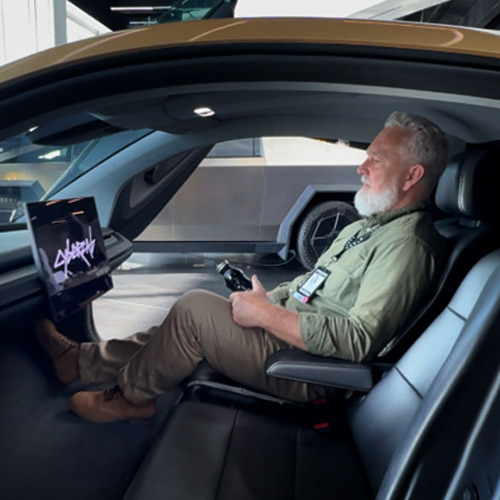
This man just got inside a Cybercab, Elon Musk’s new car that has no steering wheel or pedals.
What happens next will shock everyone.
The controversy intensified after reports that Nvidia CEO Jensen Huang had a relationship with a business executive, Alice Huang, whom U.S. intelligence officials reportedly suspect of ties to China's Ministry of State Security. The allegations raised questions about whether sensitive corporate information or American semiconductor technology could have been compromised.
On November 8, Nvidia announced an independent investigation supervised by outside counsel. Significantly, the company's board initially expressed confidence in Huang and stated that it had no reason to believe national security or Nvidia's proprietary technology had been compromised.
However, subsequent reports of a second relationship, allegedly involving an Nvidia executive reporting to Huang, intensified concerns about corporate governance and potential conflicts of interest. These reports have prompted directors to reconsider Huang's leadership. Neither the espionage allegations nor any compromise of company secrets has been established publicly. China has rejected the spying allegations.
Huang has led Nvidia since its founding in 1993 and is widely credited with transforming the company into the dominant supplier of AI computing technology. His departure could unsettle major customers, investors, and technology partners, particularly because Nvidia lacks an obvious successor.
Possible interim leaders include Chief Financial Officer Colette Kress and senior technology executive Ian Buck. However, replacing Huang's combination of technical expertise, strategic vision, and industry relationships would be difficult. Nvidia’s board faces three broad options: retain Huang while strengthening oversight, temporarily restrict his responsibilities pending investigation, or remove him entirely.
How it Affects You
If Nvidia’s CEO is removed, the consequences could extend across the technology sector. Nvidia's processors underpin enormous AI investments by Microsoft, Amazon, Google, and other technology companies. Leadership instability could complicate long-term purchasing decisions, increase regulatory scrutiny, and undermine confidence in the AI investment boom.
Even if Nvidia's board does fire Mr. Huang, Nvidia’s technology, software ecosystem, and customer relationships would not disappear with its CEO. The greatest immediate danger is uncertainty rather than a sudden collapse in demand. As of the morning of November 12, no final dismissal decision has been publicly confirmed. The board must balance the substantial risks associated with Huang's continued leadership against the disruption that removing him could create. Its decision could become a defining test of corporate accountability and national-security oversight in the AI industry.
